Navigation

  • Skip to Content
The European Space Agency Science Programme
ESA logo ESA logo
The European Space Agency Science Programme
ESA logo
  • My settings
    COSMOS
    My Account Privacy Options
    Browser
    Clear Cosmos cookies Clear MOTD cache
  • Sign out
Science Missions Explore ESA Online
The European Space Agency Science Programme
COSMOS Portal Sign in
thumbnail

gaia

  • Gaia DR4 overview
  • Gaia DR4 content
  • Gaia DR4 prerelease
  • Gaia DR4 papers
  • Gaia DR4 software tools
    • Gaia Source Update
  • Gaia DR4 previews

Gaia DR4 previews - Gaia

  1. Gaia
  2. Data
  3. Data Release 4
  4. Gaia DR4 previews

Gaia Data Release 4 previews

2026-07-03 Gaia DR4 time series

3 July 2026

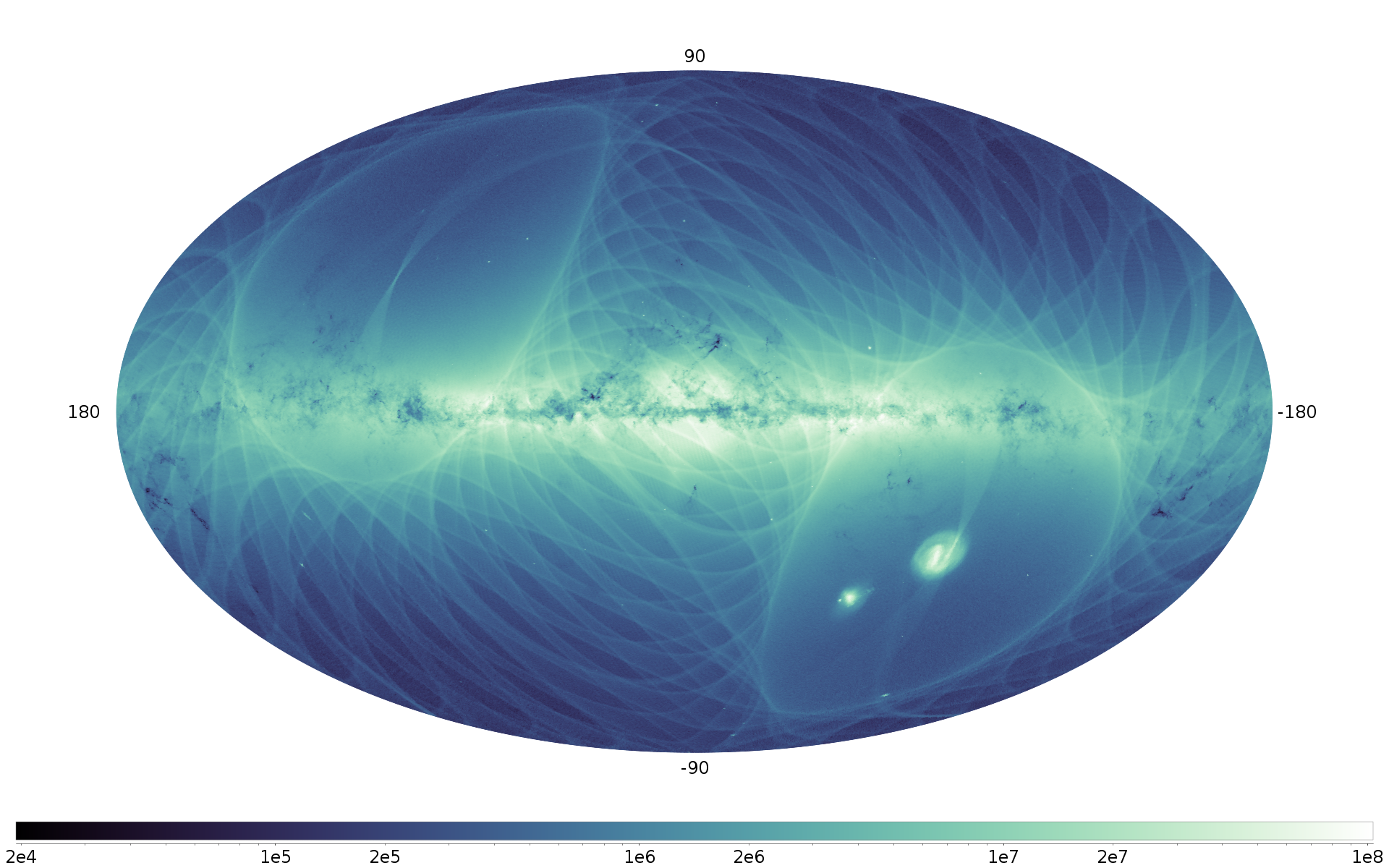
With Gaia data release 4, the full Gaia time series data for the first 5.5 years of observations becomes available to the community. 2.8 billions sources will be released for which a total of 142 billion detections exist. The infographic captures the various time series that will be published, ranging from position time series, photometry... read more

2025-12-18 Gaia DR4 data product introduction: the residual image

18 December 2025

With Gaia Data Release 4 the astrometry will be again improved upon, and an exciting new data product referred to as "residual image" will also be published. It has the potential to reveal scattered light from protoplanetary disks and other sources of diffuse light emission like the debris disk or the dusty circumstellar environments... read more

2025-10-06 Gaia's uncalibrated spectra

6 October 2025

Gaia observed the whole sky for 10.5 years according to its scanning law and has seen sources about once or twice per month on average, making Gaia particularly suited to the detection of slowly varying objects. The Gaia Photometric Science Alerts System first noticed a brightening in a faint Gaia source on 12 August 2018. It had become... read more

2024-04-16 Gaia spots Milky Way's most massive black hole of stellar origin

16 April 2024

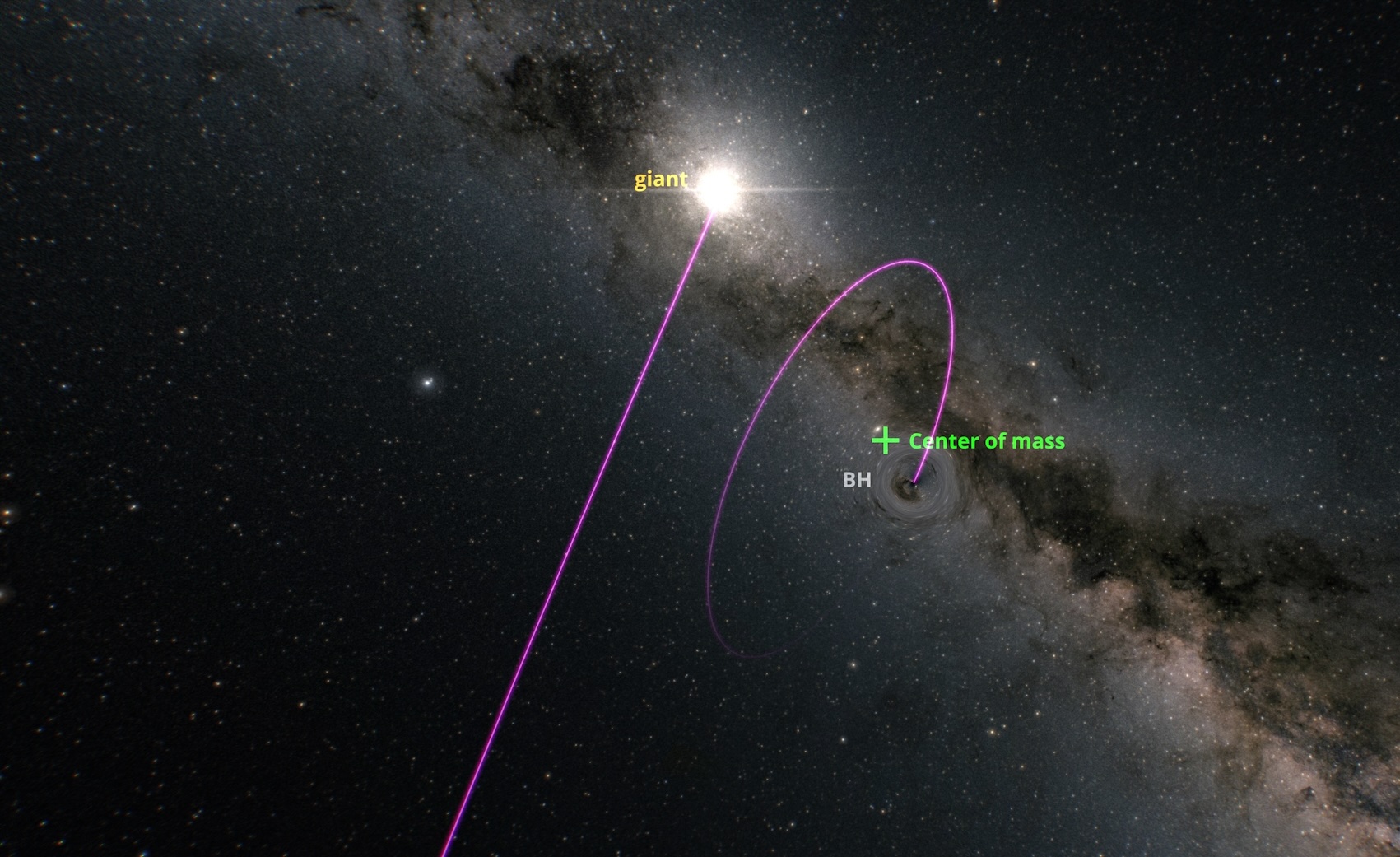
Gaia spots Milky Way's most massive black hole of stellar origin! It's 33 solar masses, dormant, the 2nd closest to Earth at ~2000 light years away, part of a wide binary with an old giant star, with an estimated age of 11 Gyr. Find full details in our story!

read more

2021-02-26 Matching observations to sources for Gaia DR4

26 February 2021

While the scientific community is analysing the first batch of the Gaia DR3 data, part of the Data Processing and Analysis Consortium (DPAC) is already engaged in the production of Data Release 4. The Intermediate Data Update (IDU) pipeline and the Data Processing Centre of Barcelona delivered the results of the first cross-match run in... read more
SCI Directorate

  • Science Advisory Structure
  • Announcements and Calls
  • Job Vacancies
  • Contact our Directorate
  • About SCI

Science Resources

  • Science Archives
  • Document Portal
  • Mission Publications
  • Conferences & Workshops
  • Tech-Talks
  • Mailing Lists

Science Faculty

  • Space Science Faculty
  • Research Fellowships
  • Science Seminars

Visiting us

  • EDUROAM
  • ESTEC
  • ESAC

Support

  • SciOps IT Services (SITU)
  • SITU Service Desk
  • Cosmos Portal Help & FAQ
  • Cross Mission Activities
  • SciOps Product Assurance
  • Privacy Policy
European Space Agency
My account

placeholder PeopleEditorPersonalDetails portlet

ESA uses cookies to track visits to our website only, no personal information is collected. By continuing to use the site you are agreeing to our use of cookies.
OK
Find out more about our cookie policy.